
Actinic Keratosis Laser Treatment: What to Expect & How It Works

laser treatment for actinic keratosis NY

Share This Post

Years of sun exposure can damage the skin and contribute to conditions like actinic keratosis (AK). These rough, scaly patches commonly develop on areas that receive frequent sun exposure and can sometimes progress to skin cancer. While several treatments are available, laser treatment for actinic keratosis offers a precise approach to treating damaged skin while encouraging healthier skin renewal.
In this article, we’ll explain how our advanced Fraxel laser therapy works for actinic keratosis, what to expect before, during, and after treatment, and how it can help improve the overall appearance and health of your skin.

Table of Contents

What is Actinic Keratosis?

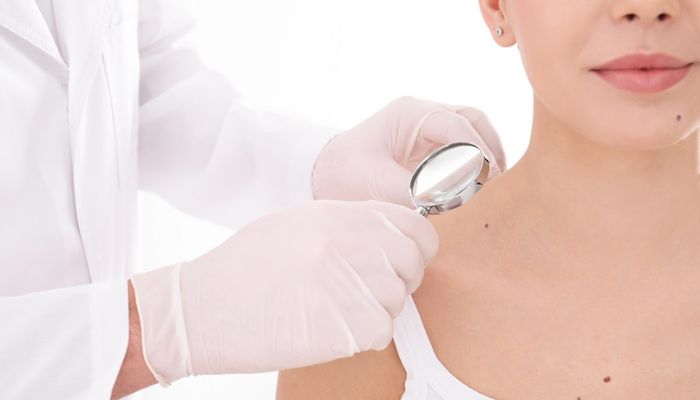
Actinic keratosis, also known as solar keratosis, is a skin condition that develops due to cumulative sun damage over time. It typically appears as dry, scaly, or crusty patches on sun-exposed areas such as the face, ears, scalp, neck, forearms, and hands. These lesions can vary in color, ranging from pink to red or brown, and may feel rough to the touch. While not all actinic keratoses progress to skin cancer, the risk is significant enough that treatment is often recommended to prevent potential malignancy. Early intervention is key to managing AK and reducing the risk of complications.

What is Fraxel Laser Treatment for Actinic Keratosis?

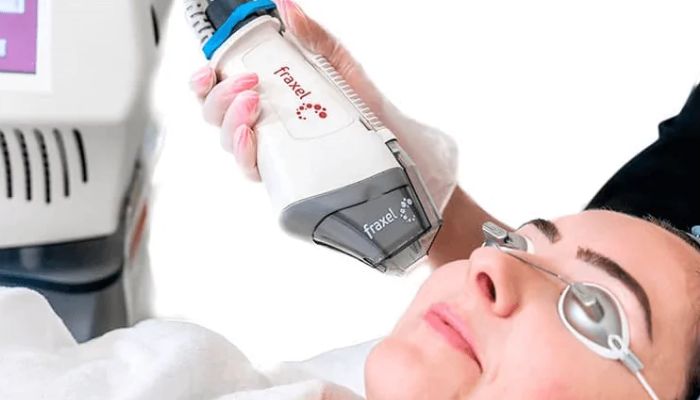
Fraxel laser is a non-ablative fractional laser that uses microscopic columns of light to target damaged skin cells while leaving surrounding tissue intact. This fractional approach promotes faster healing and stimulates collagen production, making it a versatile tool for treating various skin conditions, including actinic keratosis, wrinkles, acne scars, and sun damage.

The Fraxel laser works by creating controlled micro-injuries in the skin, which trigger the body’s natural healing process. As the skin repairs itself, damaged cells are replaced with healthier ones, and collagen production is boosted, resulting in smoother, clearer, and more youthful-looking skin.

How Does Fraxel Laser Treatment Work for Actinic Keratosis?

Fraxel laser works by delivering controlled thermal energy to the affected areas, prompting the body’s immune response to clear away abnormal cells and replace them with new, healthy tissue. Since the laser treats only a fraction of the skin at a time, the healing process is faster compared to full-field resurfacing methods.

The Science Behind It

The Fraxel laser emits light at a wavelength of 1927 nm (Fraxel DUAL), which is ideal for treating superficial skin layers where actinic keratosis lesions reside. By penetrating the epidermis and upper dermis, the laser effectively destroys precancerous cells while stimulating the production of new collagen and elastin. This results in the gradual shedding of actinic keratoses, enhanced cellular turnover for improved skin tone and texture, and a significant reduction in AK recurrence by eliminating early-stage damaged cells.
actinic keatosis laser treatment

Benefits of Fraxel Laser for Actinic Keratosis

Precision Targeting: The Fraxel laser can precisely target actinic keratosis lesions without damaging surrounding healthy skin.
Minimal Downtime: Unlike more aggressive treatments, Fraxel laser has a relatively short recovery period, allowing patients to resume normal activities quickly.
Improved Skin Texture and Tone: In addition to treating AK, Fraxel laser stimulates collagen production, improving skin texture, tone, and elasticity.
Reduced Risk of Scarring: The fractional approach minimizes the risk of scarring and promotes faster healing.
Non-Invasive: Fraxel laser is a non-surgical option, meaning no incisions are made, making it an attractive choice for patients seeking minimal intervention.

What to Expect During the Procedure

Consultation and Preparation

Before undergoing Fraxel laser treatment, you will have a consultation with a dermatologist or skincare specialist to assess your skin condition and determine if you are a good candidate for the procedure. During this consultation, your medical history, skin type, and treatment goals will be discussed. If you are deemed a suitable candidate, your provider will give you pre-treatment instructions to ensure optimal results and minimize potential side effects. These may include avoiding direct sun exposure, discontinuing certain skincare products like retinoids and exfoliants, and staying hydrated. You may also be advised to stop using blood-thinning medications or supplements that could increase the risk of bruising. Following these guidelines will help prepare your skin for the procedure and promote a smoother recovery.

The Procedure

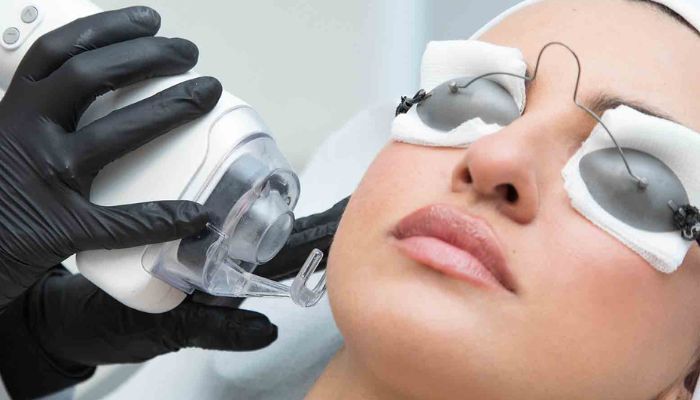
On the day of your Fraxel treatment, your skin will be thoroughly cleansed, and a topical numbing cream may be applied to minimize discomfort. During the procedure, the Fraxel laser handpiece is passed over the treatment area, delivering controlled pulses of laser energy to the skin. You may experience a warm or prickling sensation, but the numbing cream helps keep discomfort to a minimum. The entire treatment typically lasts between 20 minutes to an hour, depending on the size of the area being treated.

Post-Treatment Recovery & Healing

After the procedure, patients may experience redness, swelling, and a sunburn-like sensation for the first few days. Over the next 5-7 days, the skin will begin to flake and peel, revealing fresh, rejuvenated skin underneath. To support healing, it’s essential to apply a gentle moisturizer frequently, avoid direct sun exposure, and use a broad-spectrum SPF 50+ sunscreen daily. Refraining from picking or exfoliating peeling skin is crucial to prevent irritation or scarring. Full recovery typically occurs within 7-14 days, depending on individual skin type and treatment depth.
best actinic keratosis laser treatment

How Many Sessions Are Needed?

The number of sessions varies depending on the severity and extent of actinic keratoses. Most patients require 1-3 treatments spaced 4-6 weeks apart for optimal results. Maintenance treatments may be recommended every 12-24 months to prevent new AK lesions from forming, especially for individuals with high sun exposure.

Who Is an Ideal Candidate?

Fraxel is an excellent option for individuals with multiple actinic keratosis lesions or extensive sun damage who prefer a non-surgical, minimally invasive treatment. It is best suited for those committed to post-treatment sun protection to maintain long-lasting results. While Fraxel is effective for light to medium skin tones, individuals with darker skin may have a higher risk of hyperpigmentation and should consult with a specialist to determine the best approach.

Conclusion

Fraxel laser provides an effective and precise solution for individuals with actinic keratosis by targeting damaged skin cells while stimulating collagen production. Laser treatment for actinic keratosis can help address precancerous lesions while also improving overall skin health and appearance with minimal downtime.
If you’re considering Fraxel laser, schedule a consultation with Dr. Sadick for a personalized assessment and expert guidance on whether this treatment is right for you.

More To Explore

Our Newsletter

Get access to special promo offers and get latest updates from Sadick Dermatology.

Looking For A World-Renowned Doctor In NYC?

Get in touch with Sadick Dermatology and book a consultation

Dr. Sadick Holds Four Board Certifications In:

A photo of Dr. Neil Sadick
Scroll to Top
Skip to content